


Engineering Guide – Specification and Selection of Filter Media
Selecting a filter media for industrial processes is a complex engineering decision that directly impacts system efficiency, energy consumption, and the frequency of production line shutdowns for maintenance and element replacement. Today, filtration solutions must withstand more aggressive operating conditions than ever before—ranging from high pressures and corrosive chemicals to extreme temperatures and stringent hygiene requirements.
A failure of a filtration element, or alternatively, the selection of a raw material that is not optimal for the operating conditions, can lead to a drastic drop in flow rate, compromise the quality of the final product (such as batch contamination), and result in higher-than-planned energy and maintenance costs.
Principles for Selecting Filter Fabric
For this reason, proper characterization and the prevention of field failures cannot be based solely on trial and error, but rather on a thorough, preliminary analytical assessment of seven critical operational principles:
Flow Characterization – Principle 1
This forms the basis of the initial characterization. Defining the physical state of the process—whether the filter is intended to separate solids from a liquid (such as in a press filter or centrifuge), or to filter particles from a stream of gas or air (such as in dust filtration) — dictates the fabric’s geometric structure, its material composition, the weaving method, and how it handles the flow forces within the system.
Permissible Pressure Drop in the Process – Principle 2
Every process system has defined pressure limits determined by the system’s components (such as pumps or blowers). The structural material and the density of the filter fabric must be compatible with these limits so that the pressure drop across the fabric does not exceed the permissible threshold. In addition to the weave density, the intrinsic properties of the polymer also directly affect the pressure: an unsuitable structural material may repel the fluid, generate high hydraulic resistance, and increase the load on the system.
For example, polypropylene (PP) is a distinctly hydrophobic (water-repellent) polymer. In water-based liquid filtration applications, this property can make it difficult to initially wet the filter, and in low-pressure flow systems (such as gravity filtration), it can cause an increase in pressure drop. In such cases, engineering considerations will favor the use of polyester (PET), which has a less hydrophobic nature, allowing for faster wetting and efficient fluid passage during the startup phase. Incorrect characterization of the polymer’s suitability for the flow dynamics and operating pressures will lead to a drastic reduction in flow rate, excessive stress on mechanical equipment, and even structural failure and premature tearing of the fabric.
Particle Size and Distribution – Principle 3
To achieve the required filtration level, the size of the particles to be captured must be precisely defined. The filtration level is measured using two main metrics, depending on the type of fabric:
- Monofilament fabrics (fabrics made from a single-strand yarn): are primarily measured in microns or mesh.
- Multifilament fabrics (fabric made of interwoven fibers): These are measured based on their air permeability.
Material Composition and Chemical Resistance – Principle 4
Filter fabrics are made from various polymers, such as polypropylene, polyester, nylon, and others. It is essential to ensure that the selected polymer is completely resistant to the chemicals and liquids passing through it during the process. Chemical incompatibility can lead to dissolution, hardening, or structural breakdown of the fibers, causing rapid deterioration of the fabric and even contamination of the filtered material, or, in extreme cases, a dangerous chemical reaction between the filtered material and the filter.
Operating Temperature – Principle 5
Temperature directly affects the mechanical stability of the fabric. Testing is required for both the continuous operating temperature and for potential temperature spikes during the process. It is essential to verify the fabric’s resistance to the temperature itself and, additionally—and this is a critical point—to the chemicals flowing through it when they reach operating temperature, since the combination of heat and chemicals can accelerate the wear and degradation of the polymer.
Fabric Cleaning Technique – Principle 6
During continuous operation, particles accumulate on the fabric and clog the pores. Periodic cleaning is required to restore flow capacity. The type of fabric must be compatible with the system’s cleaning method—backwashing, mechanical shaking, scraping, or compressed air pulses. The fabric must exhibit high mechanical strength and abrasion resistance, along with the ability to easily release particles.
Required Turnover Rate – Principle 7
The maintenance strategy determines whether a highly durable fabric is required for the long term to minimize line downtime, or whether the process involves frequent fabric replacement. Frequent replacement may be necessary for hygiene reasons, to prevent cross-contamination, or due to an inherent operational need to switch between different materials and change batches on the production line.
The Importance of Mechanical Finishing and Construction
Characterizing the raw material based on these seven parameters is only half the customization process. Even the most suitable filter fabric will not perform as required without precise sewing and mechanical processing:
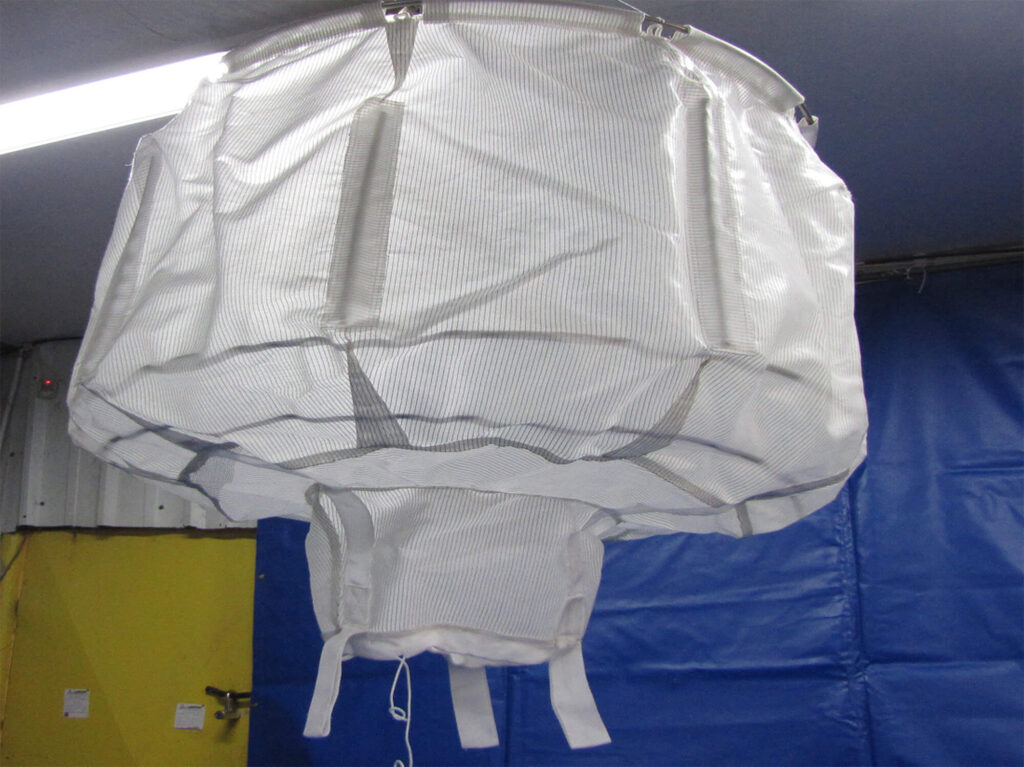
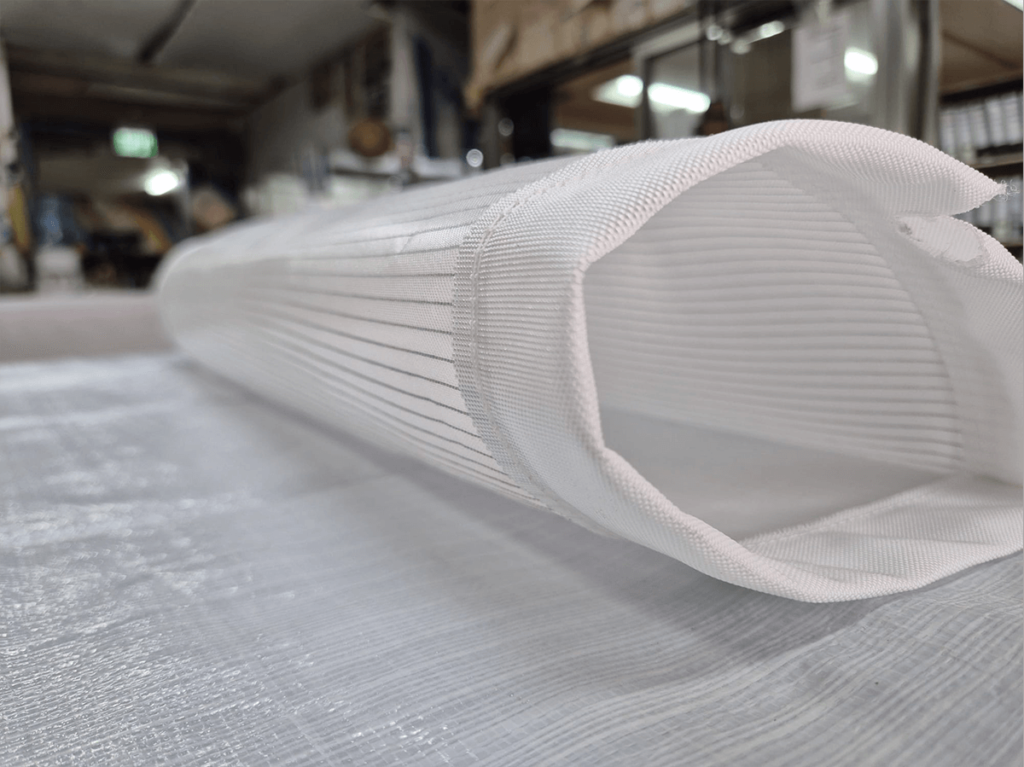
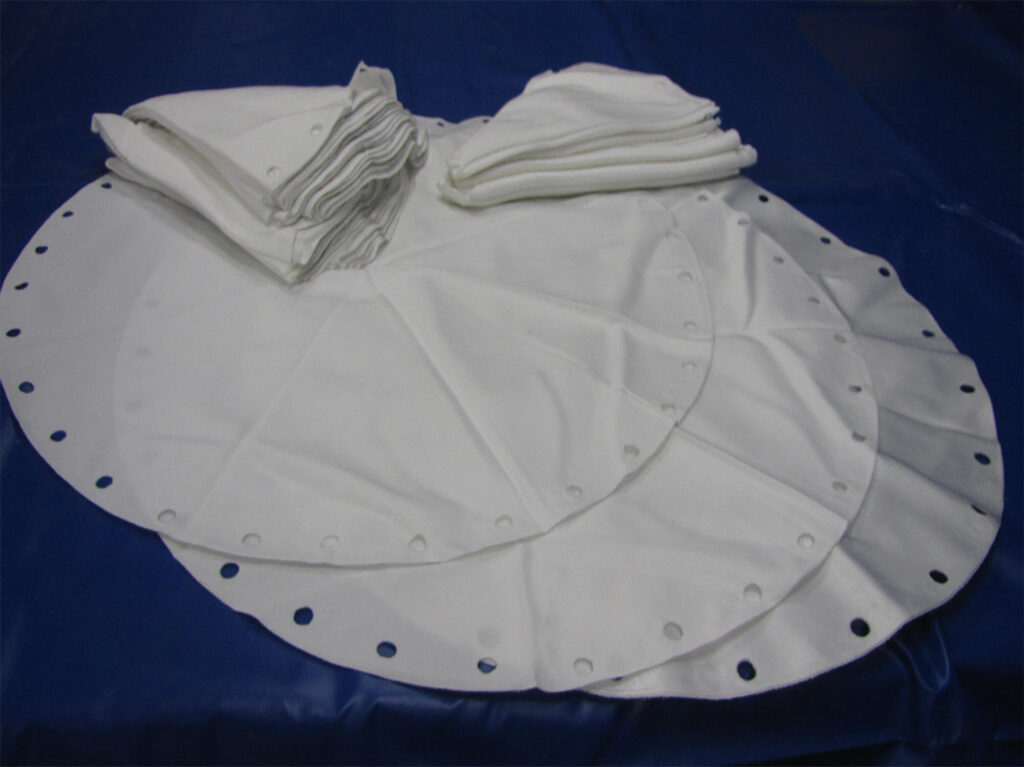
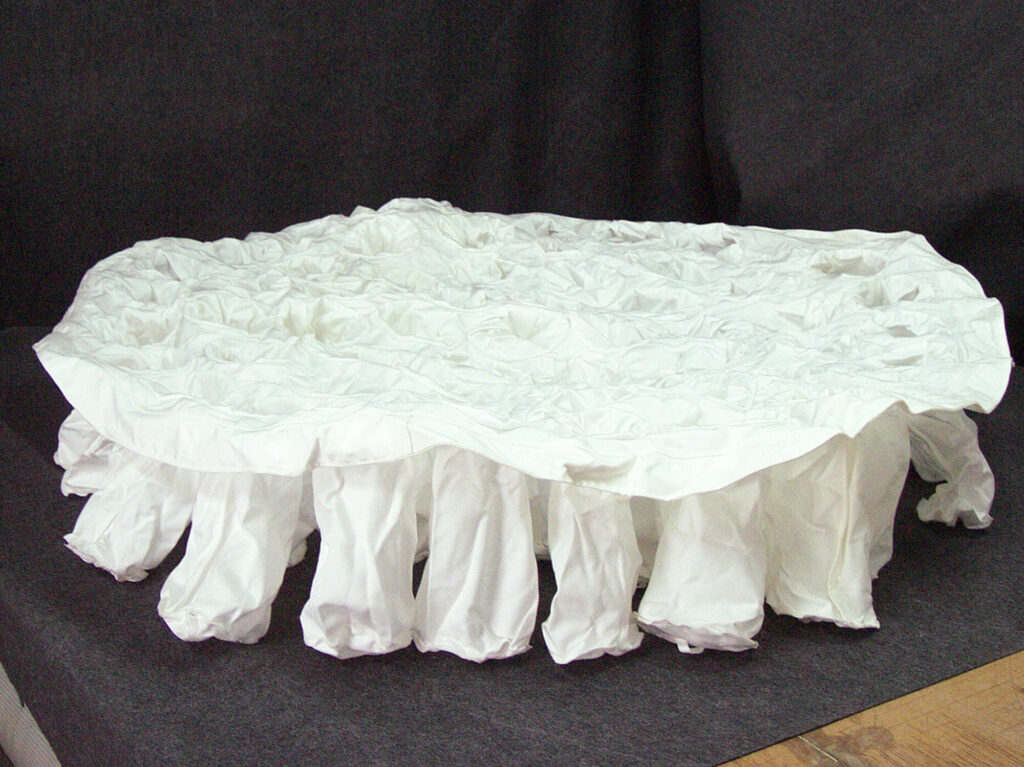
- Cutting and Sealing Edges: In addition to high dimensional accuracy, the cutting method is performed in a way that ensures complete sealing and fusing of the fabric edges at the connection points and seams. This process completely prevents the fibers from unraveling and maintains the filtration line’s integrity over time. Furthermore, this method prevents fibers from mixing with the filtered material.
- Meticulous technical sewing: The manufacture of the filter element requires professional sewing with a high degree of precision. The type of thread (in terms of chemical and thermal resistance compatible with the fabric itself) and the sewing method (stitch density and type) must be precisely matched to prevent mechanical weak points.
- Reinforcements in High-Stress and Wear Areas: In systems that involve intensive mechanical cleaning (such as scraping or shaking), built-in fabric reinforcements are incorporated into the primary stress areas to prevent premature tearing at the contact points.
Data Summary and Characterization
Organizing process data in a systematic manner prevents costly trial-and-error in the field. Before defining the final product, the following data should be collected:
- Chemical specifications of the fluid (pH level and presence of solvents).
- Operating temperature (continuous and peak).
- Minimum particle size for filtration (in microns).
- Maximum allowable pressure drop in the system.
- The active mechanical cleaning mechanism in the system.
These data make it possible to translate the engineering requirements into the precise cutting, sewing, and fitting of the filtration element to meet the required technical specifications.
Careful specification of these seven parameters transforms the filtration system from a potential weak point in the production line into a stable operational asset, reducing downtime and generating direct economic value for the company.
Advanced Filtration Engineering: Why Should You Work with Us for Characterization?
Providing filtration solutions for the industry requires much more than an understanding of raw materials—it demands an in-depth familiarity with the production floor and extreme working conditions.
- Years of Experience and Engineering Expertise in the Field: The company has many years of proven experience in the specification, design, and manufacture of complex components made of technical textiles and filtration fabrics for all sectors of the process industries.
- Expertise in the Pharmaceutical Industry: The company has extensive experience and maintains ongoing relationships with large, leading pharmaceutical manufacturers in Israel and around the world, which require the most stringent quality, sterility, and leak-tightness standards on the market.
- Reliability and Quality Control in Accordance with ISO 9001: The company’s production and quality control systems are managed and monitored under strict certification to the international ISO 9001 quality standard. Every product undergoes rigorous conformity testing, from the fiber selection stage all the way down to the individual stitch, to ensure zero defects in real time.
- Availability and Operational Flexibility: Local manufacturing enables a rapid response, customization of components to fit existing systems in the field, and a significant reduction in delivery times compared to imports—especially during emergencies.





