


The Silent Failure That Shuts Down Production Lines –
and How to Stop It in Time
Aren't you tired of chasing down repair bills?
Another emergency call in the middle of the night, another leaking pipe, another unplanned line shutdown, and losses amounting to hundreds of thousands of shekels—every maintenance manager or process engineer knows this nightmare all too well. The reality is that in most chemical, pharmaceutical, energy, and food plants, the problem isn’t with the heavy equipment or the massive metal piping. The silent failure is almost always hidden precisely in the flexible transition points: in dynamic connections, valves, and junctions between vibrating machines that constantly absorb vibrations, thermal expansion, and exposure to aggressive chemicals.
Incorrect design of these flexible components can lead to hazardous material leaks, thermal energy loss, and even personal injury. This guide details the engineering principles for designing three critical components essential for maintaining operational continuity and safety.
1. Expansion Joints and Grooves: Absorption of Dynamic Forces and Multidirectional Movement
In transmission systems, sudden temperature changes cause pipes to expand or contract lengthwise. Without a flexible solution, these forces result in shear and bending stresses that act directly on expensive equipment (such as pumps, pistons, compressors, and heaters).
Engineering Characterization of a Propagation Coupler
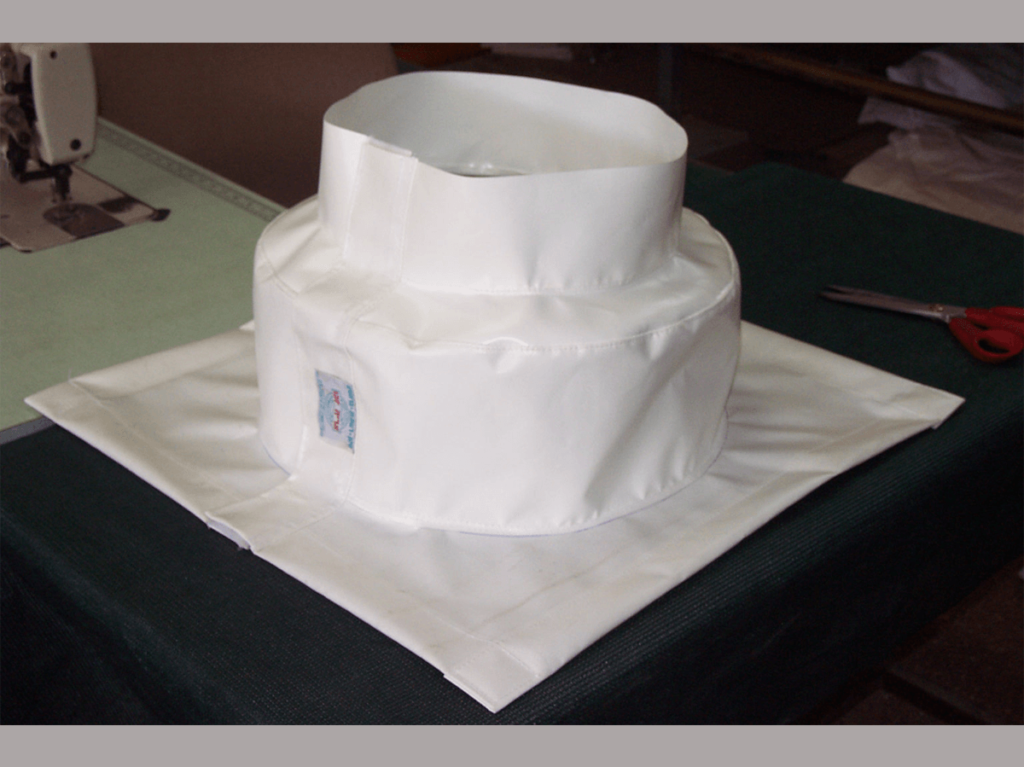
The function of the flexible connector is to bridge misalignments in the piping and absorb thermal and mechanical stresses. The choice of the fabric structure from which the connector is made is based on:
- Nature of the motion: A precise definition of the type of motion—linear, lateral, circular, or angular.
- Vibration Damping: Use of technical textiles with high fiber density and elasticity to prevent the transmission of vibrations from motors and vibrators to the rest of the structure.
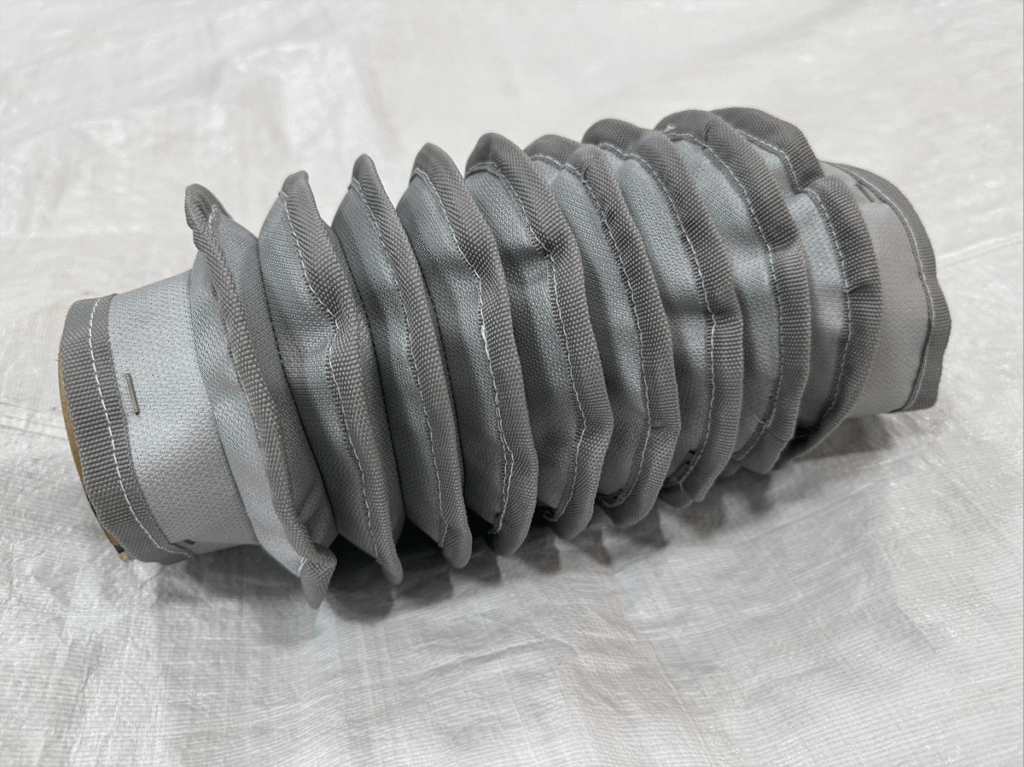
The Geometry of the Gromoshka
When very wide multidirectional movement is required (such as for protecting mechanical arms, pistons, and air/material passages), a Gromoshka with an accordion-style design is used. The folded design allows for optimal compression and expansion, while preventing the entry of dust and foreign objects that could damage components.
2. Coping with Extreme Temperatures and Saving Energy
Process industries operate exhaust systems, furnaces, and chimneys at temperatures reaching tens or even hundreds of degrees Celsius. Beyond the need to convey the hot gases, there is a twofold engineering challenge: ensuring the durability of the insulating material and preserving the thermal energy within the system.
Hoses and Fittings for Use in Extreme Heat (up to 1000°C)
At high temperatures, standard polymeric materials undergo rapid thermal degradation. Therefore, the design of transition sleeves for exhaust systems and melting furnaces is based on special fabrics:
- Aramid fibers: Provide high thermal resistance and mechanical stability.
- Glass fabrics: Designed for use in extreme heat conditions, while maintaining the fiber structure and preventing disintegration under load.
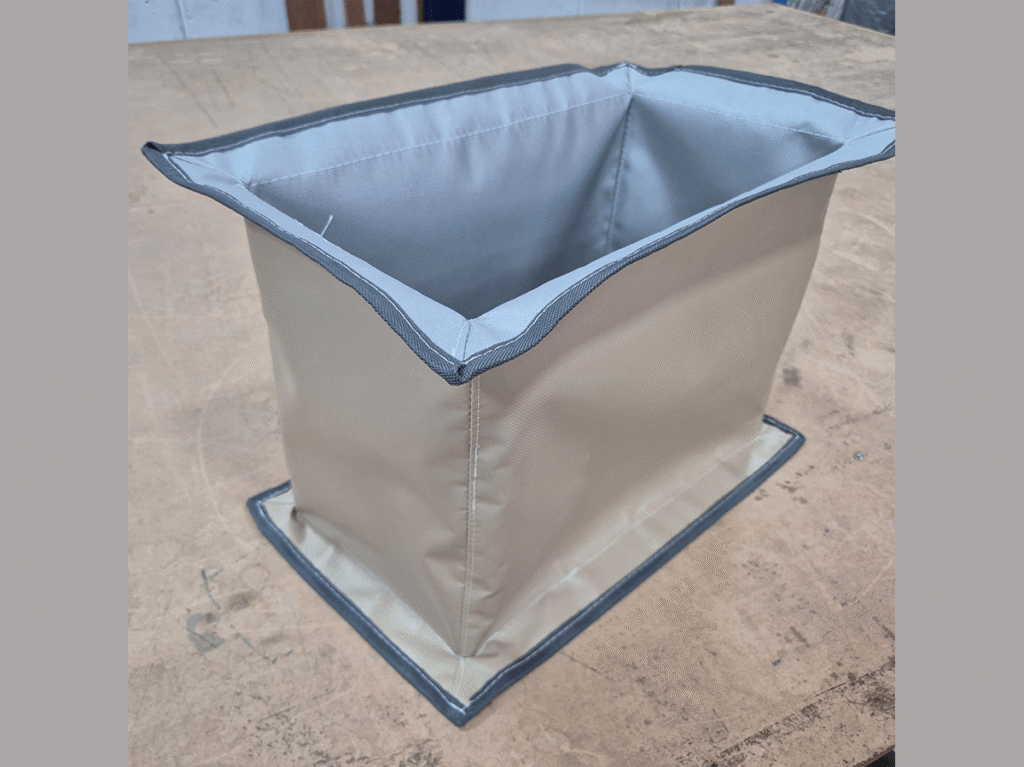
Detachable Insulation Pads
Components such as faucets, pumps, and valves require periodic maintenance. The use of permanent, rigid insulation creates operational complications and results in damage to the insulation during each maintenance procedure.
- The solution: Insulation pads custom-sewn to precisely match the mechanical structure of the equipment.
- How does it work? The pads feature internal insulation layers sandwiched between heat-resistant (and, if necessary, chemical-resistant) outer fabrics. This solution dramatically reduces heat loss to the environment (direct energy savings), protects operators from burns, and allows for quick disassembly and assembly without the need for special tools.
3. Process Safety: Splash Guards to Prevent Splashing
Flange connections along pipes that carry hazardous liquids—such as concentrated acids, bases, hot oils, or pressurized steam—pose a serious safety hazard. A failure of the flange gasket could cause a sudden rupture and the ejection of high-pressure liquid.
How the Splash Guard Works
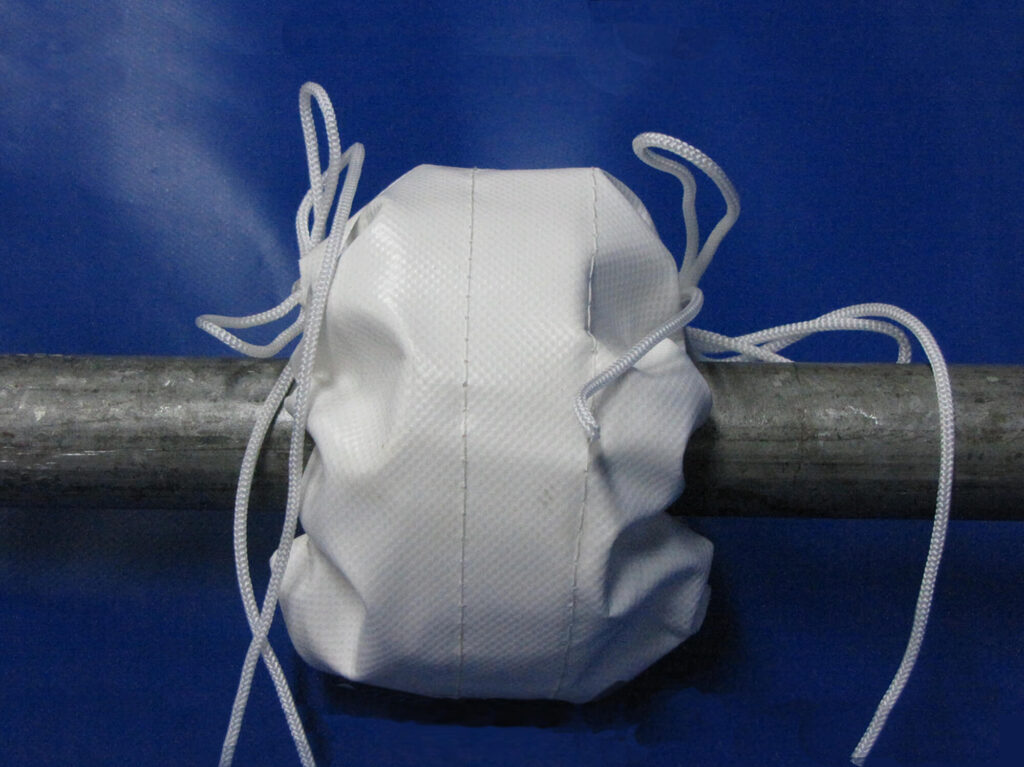
The flange guard is fitted around the joint between the two pipes. Its purpose is not to stop the leak completely, but to dampen the kinetic energy of the damaged jet.
- How does it work? The shield absorbs the initial impact of the pressure, and the hazardous liquid is directed in a controlled, vertical downward flow, preventing lateral splashing onto workers or nearby electrical equipment.
Classification of Materials by Flow Type
- Chemical/Acid-Resistant Piping: Use protective covers made of PTFE (Teflon) fabric or chemically resistant materials that are not affected by acids or bases.
- Visual Leak Detection: A dedicated transparent window is integrated into the protective housing, which contains indicator paper (litmus). In the event of a hidden leak, the indicator changes color, allowing maintenance personnel to detect the failure at an early stage, before a major breach occurs.
4. Seam Engineering and Raw Material Selection
The quality of an industrial textile product is determined by its weakest link. No matter how durable the fabric may be, it will not provide protection if the seam fails under stress.
Industrial Sewing Methodology
- Specialized sewing threads: Matching the thread material to the work environment—Kevlar or stainless steel threads for applications requiring shear strength and heat resistance; PTFE threads for complete resistance to aggressive acids; or polyester and nylon threads with high tensile strength.
- Peripheral Equipment and Mechanics: Stitches are sewn using appropriate industrial sewing machines that ensure uniform penetration through thick layers of fabric, while maintaining thread tension that prevents the fibers from being sheared.
Summary and Guidelines for Field Characterization
Proper specification of technical textile solutions, flexible fasteners, and protective elements requires early collection of data on the operating environment:
- Operating temperature: Continuous temperature versus momentary temperature spikes.
- Chemical Profile: Characterization of the effluent (acidity, oils, organic solvents) and concentration levels.
- Mechanical load: type of motion, vibration frequency, and pressure drop in the system.
- Regulatory requirements: Food-contact standards, flame resistance, or antistatic properties to prevent explosions.
A combination of the fabric’s engineering specifications, the selection of sewing thread, and the geometric precision of the product ensures enhanced facility safety, prevents unplanned downtime, and maintains energy efficiency over the long term.
A successful transition from reactive breakdown maintenance to preventive and quiet maintenance begins with the understanding that these flexible joints are not “off-the-shelf products,” but rather critical engineering components that require precise specification.
Why Choose Yanko Filtration Ltd.'s Technical Textile Solutions?
Properly specifying flexible connectors and insulation components involves more than just purchasing a product; it requires implementing an engineering solution that ensures operational continuity. We bring with us a unique combination of expertise, quality, and hands-on experience in the field:
- A tradition of quality and meticulous expertise: As a company with industrial experience accumulated over six generations and decades of working with the heavy, chemical, and pharmaceutical industries, we have firsthand knowledge of the challenges and wear and tear involved in even the most demanding production lines.
- Compliance with Strict Standards: The manufacturing and design processes are managed under a quality control system that complies with the ISO 9001:2015 standard.
- Certified Raw Materials: We work with fabrics, yarns, and coatings that meet international standards—including resistance to extreme heat, flame retardancy, food contact standards (FDA), and high chemical resistance.
- Precise Engineering Customization (Custom-Made): Every connector, gasket, or insulating pad is designed and manufactured to precisely meet the technical specifications and on-site conditions of your facility.





